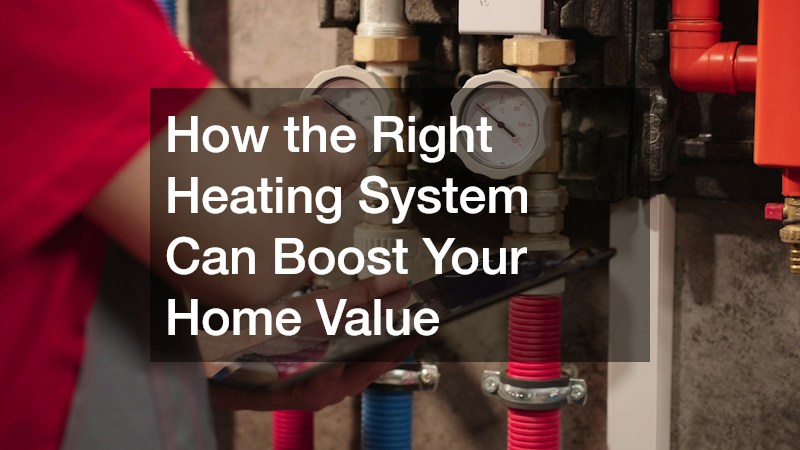
Learn how choosing the appropriate heating system can enhance the value of your home and ensure proper comfort and efficiency. With a market constantly evolving towards energy-efficient solutions, homeowners today must consider both functionality and long-term value. Whether it’s through repairs, installations, or choosing innovative systems, understanding your options is crucial in boosting your home’s market value.

What Are the Key Benefits of Professional Heating Repairs?
The Impact on Home Value
Professional heating repairs have a significant impact on your home’s value. A well-maintained heating system assures potential buyers of the home’s efficiency and reliability. Consistent service history can influence appraisals positively, demonstrating responsible home ownership.
Ensuring System Longevity
Heating repairs conducted by trained professionals can dramatically extend the longevity of the system. By addressing components in need of attention, professional repairs help avoid costly future replacements. Regularly serviced systems are less prone to sudden breakdowns, saving homeowners both time and potential financial strain.
Even the best heating systems can fail without regular maintenance, making professional intervention essential. HVAC companies specialize in identifying wear and tear before it results in a complete failure. This proactive approach not only ensures system longevity but also maintains efficiency and safety.
Why Consider a Mini Split System?
Energy Efficiency Advantages
A mini split system offers exceptional energy efficiency compared to traditional heating solutions. It allows zone-specific heating, meaning you can heat only the rooms in use, reducing unnecessary energy consumption. This efficiency not only lowers utility bills but also contributes to an environmentally-friendly home.
Additionally, mini split systems typically operate on less power and avoid the energy losses associated with ductwork. By directly delivering air to designated zones, these systems offer enhanced control over indoor climates. Such precision in heating can be a key selling point for prospective buyers prioritizing energy efficiency.
Installation and Cost Considerations
While the initial cost of a mini split system might be higher than other alternatives, the long-term savings are substantial. The installation process is generally less invasive than traditional systems since it doesn’t require extensive ductwork. This streamlined approach can mean quicker setup times and lower labor costs.
Moreover, mini split systems often qualify for various energy rebates and incentives, offsetting initial expenditures. HVAC contractors can help homeowners navigate these programs, ensuring they capitalize on potential financial benefits. Opting for a mini split system thus represents a strategic investment in both financial and environmental terms.

How to Choose the Right HVAC Contractors?
Checking Credentials and Experience
Choosing the right HVAC contractors is crucial for ensuring high-quality heating services. You should verify their licenses, certifications, and insurance coverage. Well-documented credentials can serve as a reassurance of their expertise and professionalism.
An experienced contractor will have a history of successful projects and can provide references from previous clients. This background knowledge is indispensable when making an informed decision. Opt for a contractor with substantial experience in dealing with a broad range of heating systems.
Understanding Service Offerings
Beyond credentials, it’s essential to evaluate the range of services an HVAC contractor provides. Comprehensive offerings should include system installations, repairs, maintenance, and emergency services. Understanding their service scope ensures all your heating needs can be met effectively.
An excellent contractor will also offer technical support and consultations, allowing you to make informed decisions about upgrades or replacements. Make sure to clarify what is included in their maintenance packages and any warranties they offer. This comprehensive support can contribute to both system longevity and overall home comfort.
What Services Do HVAC Companies Provide?
Standard Maintenance Packages
HVAC companies provide a range of standard maintenance packages designed to keep your systems running efficiently. Regular inspection and cleaning of system components are usually included, ensuring optimal performance and longevity. Such packages are essential for preventing unexpected breakdowns, particularly during peak usage periods.
Additionally, standard maintenance can detect minor issues before they escalate into costly problems, offering peace of mind and cost-saving advantages. HVAC companies often bundle these services, providing cost-effective solutions for routine upkeep. Investing in these packages is a wise decision for maintaining a reliable heating environment.
Emergency Repair Services
Among the crucial services offered by HVAC companies are emergency repair services, ensuring rapid response to unexpected failures. These services provide immediate solutions to heating issues, prioritizing your home’s comfort and safety. Quick response times can prevent minor issues from becoming serious, costly repairs.
Emergency repair services usually offer 24/7 availability, relieving homeowners of the stress that comes with sudden breakdowns. Opting for a reliable HVAC company with comprehensive emergency services can be invaluable during critical times. This assurance is a key factor influencing a home’s overall appeal and marketability.
Is Heat Pump Installation a Good Investment?
Cost-Benefit Analysis
Heat pump installation offers a cost-effective alternative to traditional heating systems. Although the initial investment may be substantial, the long-term financial savings can outweigh upfront costs. Energy efficiency is markedly improved, reducing monthly utility bills significantly.
In addition, heat pumps are versatile, supporting both heating and cooling functions. This dual-purpose utility negates the need for separate systems, cutting costs and saving space. When evaluating home value improvements, the efficiency and functionality of heat pumps make them a worthy investment.
Long-term Energy Savings
A primary benefit of heat pump systems is their remarkable energy efficiency. By transferring heat rather than generating it, these systems consume less energy, resulting in lower operational costs. Over time, these savings can be significant, offering financial relief to homeowners.
Further, many regions offer incentives such as tax credits or rebates for heat pump installation due to their environmentally friendly operation. This can further increase the investment’s attractiveness, adding value through both immediate savings and long-term benefits. Overall, a heat pump system is a strategic choice for energy-conscious homeowners.
How Do Regular Heating Repairs Impact Home Value?
Avoiding Major Failures
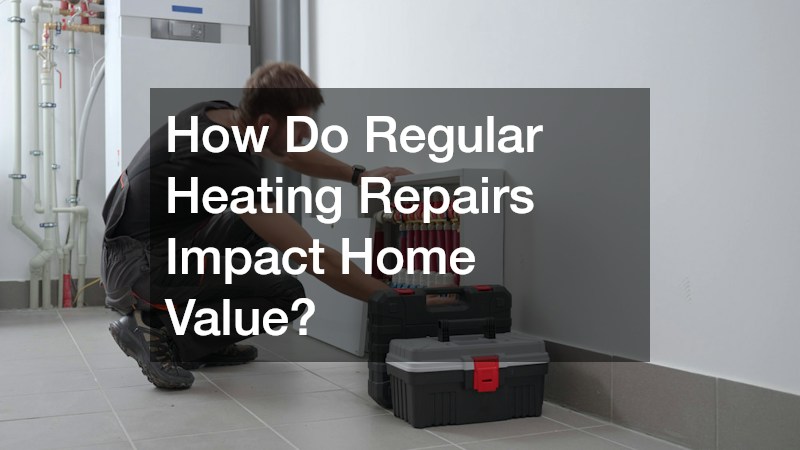
Regular heating repairs play a crucial role in preventing major system failures. Consistent maintenance ensures that minor issues are corrected before they lead to extensive damage. This proactive approach saves significant repair costs and preserves your system’s integrity.
Preventing major failures maintains the operational efficiency of your heating system, ensuring uninterrupted comfort. Moreover, thorough repair records can boost buyer confidence, highlighting a home’s proactive upkeep. This, in turn, enhances the property’s market value, making it an attractive option for prospective buyers.
Keeping Utility Bills Low
Well-maintained heating systems result in lower utility bills. Regular repairs and check-ups keep your system running efficiently, consuming less energy. This reduces monthly expenses, providing economic relief and increasing your property’s attractiveness to potential buyers.
Efficient heating systems also reduce the environmental footprint by minimizing wasted energy. Demonstrating a commitment to eco-friendly practices can allure environmentally-conscious buyers. Thus, regular heating repairs play a dual role in cutting costs and boosting home appeal.
What Heating Services Should I Expect from Professionals?
Inspection and Diagnostics
Professional heating services include thorough inspection and diagnostic evaluations. These procedures determine the current state of your system, identifying any potential or existing issues. This comprehensive examination ensures that necessary actions are promptly taken to maintain system efficiency.
Skilled technicians provide insights into areas needing improvement, from faulty components to efficiency optimizations. This diagnostic information is vital for making informed decisions about repairs or upgrades. Understanding these aspects provides homeowners with peace of mind and helps maintain system reliability.
System Upgrades and Installations
Another crucial aspect of professional heating services includes system upgrades and installations. Whether you’re transitioning to a more efficient system or integrating the latest technology, professional services facilitate seamless transitions. Such improvements can significantly enhance comfort and energy efficiency.
Moreover, professionals ensure that all installations meet regulatory standards and are optimized for your specific home environment. This adherence to quality and precision contributes to system efficacy and safety. Investing in professional installations ensures long-term benefits and can considerably boost home value.
How Does Heating Influence Home Appraisals?
Energy Efficiency Ratings
Modern appraisals heavily weigh a property’s energy efficiency ratings, particularly concerning heating systems. Homes with high-efficiency ratings often command higher appraisals due to their reduced operational costs and environmental impact. Well-documented efficiency improvements can bolster a home’s market value.
Heating systems that have undergone recent upgrades or feature cutting-edge technology often receive favorable valuations. Aligning with contemporary energy standards and expectations can mean a premium in appraisals. This enhanced valuation can translate directly into a higher sale price or refinancing prospects.
Modern vs. Outdated Systems
The disparity between modern and outdated heating systems is a crucial factor in home appraisals. Modern systems, which often feature advanced technology and greater efficiency, increase a home’s desirability. Such innovations can improve the home’s overall comfort and market entry value.
Conversely, outdated systems signal potential high costs for necessary upgrades or replacements, negatively affecting appraisals. Prospective buyers are generally more interested in homes with minimal imminent investments. Thus, modern heating systems can substantially elevate an appraisal value, making a home more competitive in the market.

When Should You Contact a Local Furnace Repair Service?
Identifying Faulty Components
Contacting a local furnace repair service becomes imperative when identifying faulty components within your heating system. Recognizing the signs of component dysfunction early can prevent total system failure. Prompt professional intervention can address the issue, preserving both the system and household comfort.
Common indicators of faulty components include unusual noises, inconsistent heat output, or unexpected shutdowns. A local furnace repair service can efficiently diagnose and rectify these issues. Early intervention ensures system longevity and reduces the chances of costly emergency repairs.
Preventive Maintenance Scheduling
Scheduling preventive maintenance with a local furnace repair service is a proactive step in ensuring system reliability. Regular maintenance appointments help catch and fix minor issues before they escalate into significant problems. This foresight prevents costly breakdowns and maintains efficient operation.
Why Is Air Conditioning Integration Important in Your Heating System?
Achieving Year-round Comfort
Air conditioning integration within your heating system is vital for achieving year-round comfort. Combining heating and cooling in a single system simplifies temperature regulation regardless of the season. This integration ensures that your home remains comfortable without the need for separate systems or frequent adjustments.
Potential for Increased Home Value
Integrating air conditioning with your heating system can substantially boost your home’s value. A comprehensive climate control system appeals to buyers seeking convenience, efficiency, and modernity. This integration is often perceived as a value-added feature, enhancing the property’s market desirability.
What Role Does Technology Play in Modern Heating Systems?
Smart Thermostats and Controls
Smart thermostats and controls are revolutionizing modern heating systems, offering unparalleled precision and efficiency. These devices enable homeowners to customize heating schedules and temperatures remotely via mobile applications. Real-time adjustments not only improve comfort but also lead to substantial energy savings.
Compatibility with Renewable Energy Sources
The trend towards renewable energy integration with heating systems is becoming increasingly prevalent. Modern systems often boast compatibility with sources like solar and wind energy, reducing reliance on traditional fossil fuels. This compatibility supports sustainable living while also reducing operational costs significantly.
How Can an Effective Heating System Boost Energy Efficiency?
Reducing Carbon Footprint
An effective heating system is instrumental in reducing a home’s carbon footprint. By using less energy to operate, efficient systems contribute less to greenhouse gas emissions. This eco-friendliness is becoming increasingly important to buyers who prioritize sustainable living.
Financial Incentives and Rebates
Government incentives and rebates are often available for homeowners who invest in energy-efficient heating systems. These financial benefits can significantly offset initial installation costs, making efficient systems more accessible. HVAC contractors can assist in identifying eligibility for these programs.
What Are the Long-term Benefits of Upgrading Your Heating System?
Durability and Reliability
Upgrading your heating system can greatly improve its durability and reliability. Modern systems are designed with advanced materials and technologies that withstand wear and tear better than older models. This results in fewer breakdowns and longer system lifespans.
Market Value Appreciation
Upgraded heating systems directly contribute to the appreciation of a home’s market value. Potential buyers are more willing to pay a premium for homes with modern, efficient systems that promise lower utility bills and fewer maintenance issues. This added value makes a property more competitive in the real estate market.
Conclusion
In summary, selecting the right heating system is crucial not just for comfort but also for enhancing your home’s overall value by improving energy efficiency and ensuring long-term sustainability. By considering system types, maintenance needs, and professional services, homeowners can make informed decisions that benefit both their environmental impact and financial outcomes. Strategic investments in heating systems contribute to a superior living experience and significant property market advantages.