Key Takeaways
- A successful small-space makeover begins with a clear design plan that prioritizes functionality, budget, and the room’s intended purpose.
- Light colors, layered lighting, and mirrors can make compact rooms feel brighter, more open, and visually larger.
- Choosing multifunctional furniture and making use of vertical space helps maximize storage without overcrowding the room.
- Hidden storage solutions and organized layouts reduce clutter while maintaining a clean and stylish appearance.
- Refreshing walls, flooring, lighting, and other surfaces can dramatically transform a room without requiring major renovations.
- Thoughtfully selected décor, textures, and statement pieces add personality while preserving an open and balanced design.
- Taking a gradual, well-planned approach to updates leads to a more cohesive, comfortable, and long-lasting home makeover.
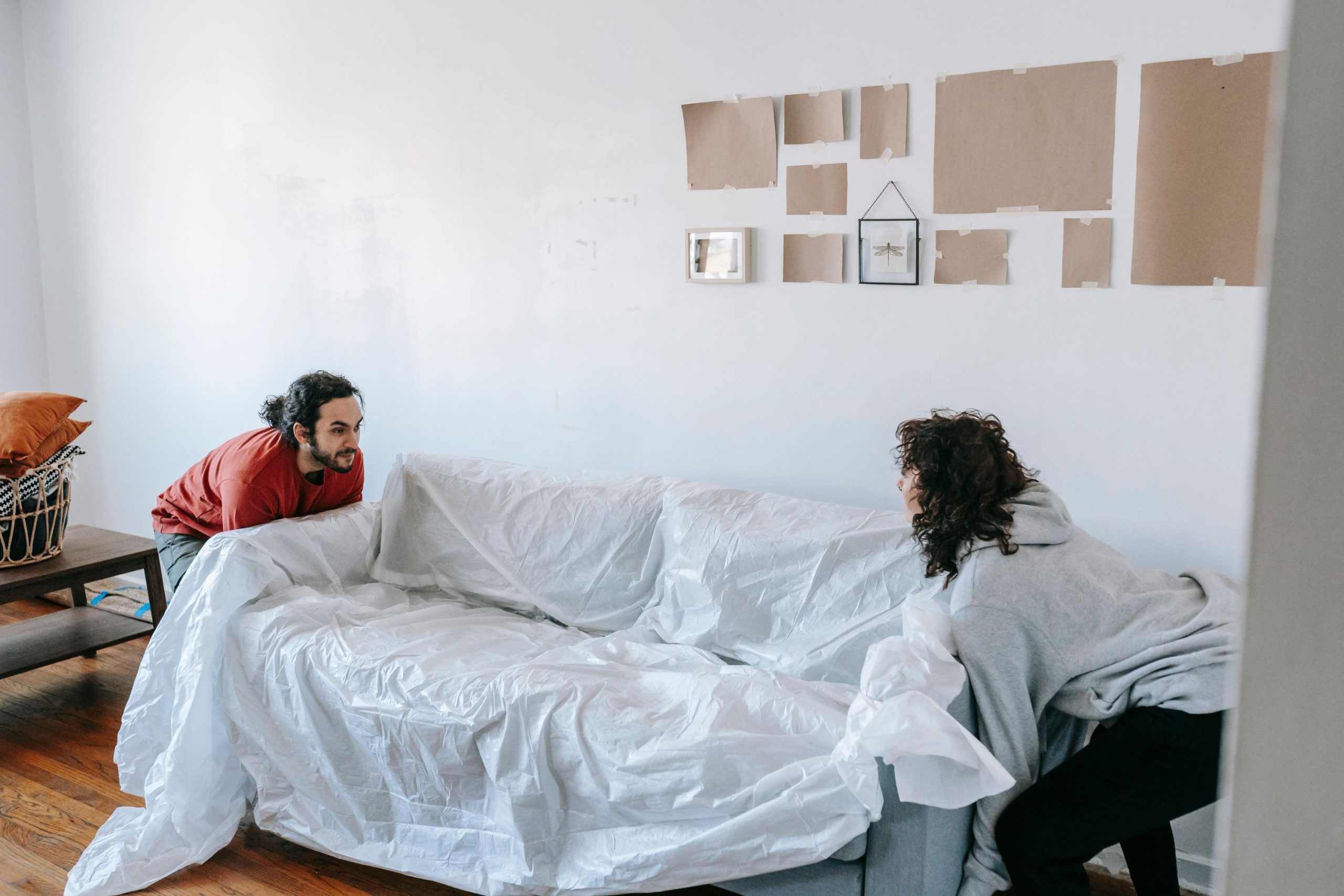
A small home or room does not have to feel limiting. In fact, compact spaces often provide the perfect opportunity to rethink how every square foot is used. With thoughtful planning and smart design choices, even the smallest areas can become beautiful, functional, and comfortable. A complete home makeover is not always about adding more space—it is often about making better use of the space you already have.
Many homeowners assume that transforming a small space requires major renovations or a large budget. While structural changes can sometimes help, many impactful improvements come from better layouts, cohesive design, multifunctional furniture, and creative storage solutions. Small updates can dramatically change the way a room looks and functions.
Whether you are updating a studio apartment, a cozy bedroom, a compact living room, or an older home with limited square footage, this guide will help you create a stylish makeover that maximizes space without sacrificing comfort or personality.
Begin With a Clear Plan and Design Vision
Every successful home makeover starts with a plan. Decorating without a clear vision often leads to unnecessary purchases, mismatched furniture, and rooms that feel cluttered rather than cohesive. Before making any changes, spend time evaluating how the space is currently used and identify what is working well and what needs improvement.
Think about your daily routine and how the room supports it. For example, a living room may also need to function as a home office, while a guest bedroom might double as a hobby room. Understanding the room’s purpose will help guide decisions about furniture, storage, lighting, and décor.
It also helps to create a mood board or collect inspiration photos before shopping. Seeing colors, textures, and furniture styles together makes it easier to develop a consistent design direction that reflects your personal taste.
Planning tips for a successful makeover:
- Define the room’s primary purpose
- Set a realistic budget
- Measure the space carefully
- Create a design inspiration board
- Prioritize functionality before décor
Create the Illusion of More Space With Color and Light

Color is one of the most powerful tools for transforming a small room. Light colors reflect both natural and artificial light, helping rooms feel larger and more open. Shades of white, cream, light gray, soft beige, and pale blue are popular choices because they create a bright foundation that works with many decorating styles.
Lighting is equally important. Even a beautifully designed room can feel cramped if it is poorly lit. Instead of relying on one ceiling fixture, layer several sources of light throughout the room. Table lamps, floor lamps, wall sconces, and under-shelf lighting all help create depth and eliminate dark corners.
Mirrors can further enhance both color and lighting by reflecting light throughout the room. A large mirror positioned across from a window can dramatically brighten the space while creating the illusion of additional square footage.
Keeping the color palette simple and consistent also reduces visual clutter, making the room feel calmer and more spacious.
Ways to brighten a small space:
- Choose light wall colors
- Use layered lighting
- Add mirrors to reflect light
- Keep window treatments simple
- Limit contrasting color schemes
Choose Furniture That Works Harder
Furniture has the greatest influence on how functional a small room becomes. Oversized pieces can quickly overwhelm the available space, while furniture that is too small may leave the room feeling incomplete. Selecting appropriately scaled furniture creates better balance and allows people to move comfortably throughout the room.
Multifunctional furniture offers tremendous value in compact homes. Storage ottomans, lift-top coffee tables, Murphy beds, sleeper sofas, and dining tables with expandable leaves all provide multiple uses without increasing clutter. Pieces with built-in storage also reduce the need for additional cabinets or shelving.
When arranging furniture, avoid placing everything against the walls automatically. In some cases, floating furniture slightly away from the wall creates better traffic flow and makes the room feel more intentional.
Quality often matters more than quantity. Investing in fewer, well-designed furniture pieces usually creates a cleaner and more sophisticated appearance.
Furniture ideas for small spaces:
- Storage ottomans
- Expandable dining tables
- Sleeper sofas
- Murphy beds
- Lift-top coffee tables
- Nesting tables
Maximize Vertical Space for Better Organization
Floor space may be limited, but walls often provide untapped storage opportunities. Using vertical space effectively allows homeowners to increase storage without making rooms feel crowded.
Floating shelves are an excellent option because they provide display space without the visual weight of bulky furniture. Tall bookcases, wall-mounted cabinets, and hanging organizers also make use of unused wall space while keeping floors clear.
Vertical storage should remain organized and intentional. Filling every shelf with decorations can create clutter rather than solving it. Combining practical storage with a few carefully selected decorative items helps maintain balance.
Drawing the eye upward also creates the impression of higher ceilings, making the room appear larger than it actually is.
Ideas for vertical storage:
- Floating shelves
- Tall bookcases
- Wall-mounted cabinets
- Hanging organizers
- Pegboards
- Vertical plant displays
Make Storage Part of the Design
Storage should never feel like an afterthought during a home makeover. In small spaces, effective storage is essential for maintaining both organization and visual appeal.
Hidden storage keeps everyday items out of sight while preserving a clean appearance. Beds with built-in drawers, benches with lift-up seats, storage baskets, and decorative cabinets allow homeowners to organize belongings without sacrificing style.
Open storage can also work well when carefully styled. Grouping similar items together, using matching containers, and leaving some empty space prevents shelves from looking overcrowded.
The goal is to create storage solutions that blend naturally into the room’s overall design.
Storage solutions that save space:
- Under-bed storage
- Decorative baskets
- Built-in cabinets
- Storage benches
- Closet organizers
- Drawer dividers
Add Personality Without Creating Clutter
A complete makeover should reflect the people who live in the home. Decorative accessories, artwork, plants, and meaningful keepsakes help personalize the space, but moderation is important in smaller rooms.
Instead of displaying numerous small decorations, choose a few statement pieces that attract attention without overwhelming the room. A large piece of artwork, an oversized mirror, or a striking area rug often creates more impact than several small accessories.
Texture also adds warmth and sophistication. Combining wood, woven materials, metal, glass, and soft fabrics creates visual interest while maintaining a cohesive design.
Remember that empty space is part of good design. Allowing walls, shelves, and tabletops to breathe helps the room feel larger and more relaxing.
Simple ways to personalize a room:
- Display meaningful artwork
- Add indoor plants
- Use textured fabrics
- Incorporate decorative lighting
- Choose quality over quantity
Refresh Surfaces for a Bigger Visual Impact
One of the easiest ways to transform a small room is by updating the surfaces that people notice first. Fresh paint, new cabinet hardware, updated light fixtures, and modern trim can dramatically change the appearance of a space without requiring major construction.
Replacing outdated curtains, installing a new backsplash, refinishing furniture, or adding peel-and-stick wallpaper are other affordable ways to create a fresh look. Even changing switch plates and door handles can make a room feel newer and more polished.
Flooring also has a significant influence on how spacious a room appears. Using consistent flooring throughout connected areas helps create visual continuity, making the home feel larger than if multiple flooring materials are used.
Small improvements often combine to produce dramatic results.
Surface updates worth considering:
- Fresh paint
- New cabinet hardware
- Updated lighting fixtures
- Peel-and-stick wallpaper
- Refinished furniture
- Coordinated flooring
Improve Comfort Along With Appearance
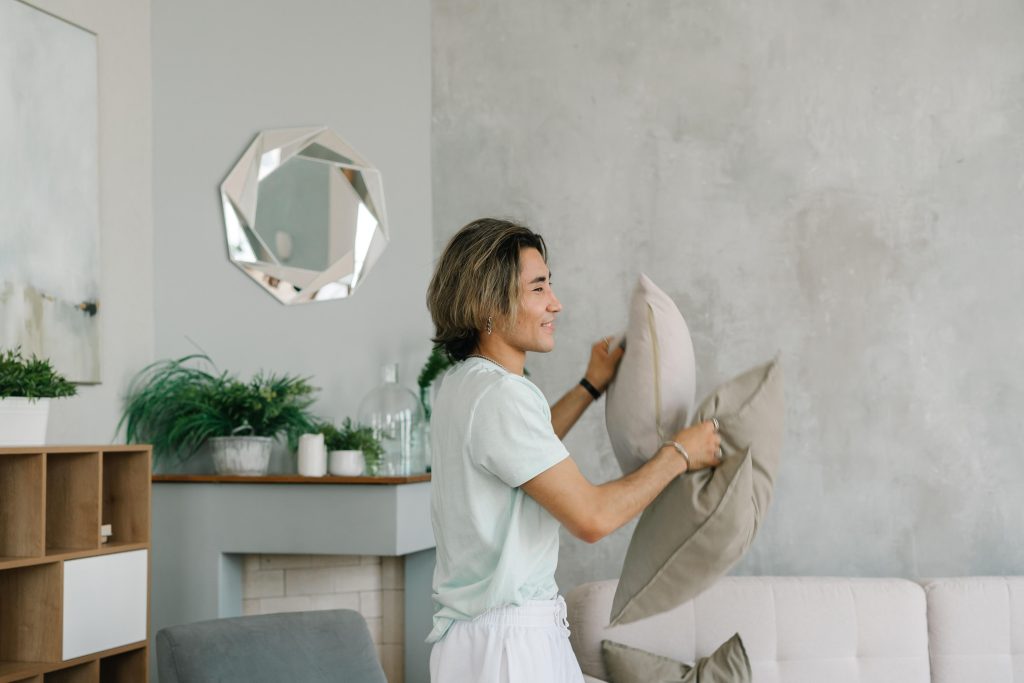
A successful makeover should improve how the home feels as well as how it looks. Comfortable seating, soft textiles, proper lighting, and good airflow all contribute to a space that people genuinely enjoy using.
During a remodel, many homeowners also consider how to make your home more energy efficient by upgrading insulation, replacing outdated windows, installing LED lighting, or choosing energy-efficient appliances. These improvements can lower utility costs while making the home more comfortable throughout the year.
Comfort also comes from maintaining a clutter-free environment. Rooms with fewer unnecessary items often feel calmer and more relaxing, making them more enjoyable for everyday living.
A beautiful room should support both style and function.
Comfort-focused improvements include:
- Layered lighting
- Comfortable seating
- Energy-efficient lighting
- Better insulation
- Soft textiles
- Improved airflow
Maintain Balance Throughout the Makeover
One of the biggest mistakes homeowners make is trying to complete every improvement at once. While it may be tempting to buy everything immediately, a gradual approach often leads to better design decisions.
Living with a space for a short time after each improvement allows you to evaluate what still needs attention. You may discover that a room requires additional storage rather than more decorations, or that different furniture placement creates better functionality.
Taking your time also allows you to invest in higher-quality pieces rather than settling for inexpensive items that may not last. Over time, this creates a more polished and personalized home.
Thoughtful design evolves naturally rather than happening overnight.
Tips for maintaining balance:
- Decorate gradually
- Avoid impulse purchases
- Reevaluate the layout regularly
- Invest in quality pieces
- Leave open space where possible
Final Thoughts
Designing a small space for a complete home makeover is not about making the room larger—it is about making it work better. Careful planning, smart furniture choices, efficient storage, thoughtful lighting, and cohesive design all contribute to a home that feels more spacious, organized, and inviting.
Rather than focusing on limitations, embrace the opportunities that compact spaces provide. Every design decision becomes more intentional, allowing you to create rooms that are both beautiful and highly functional. Small updates made strategically can produce dramatic transformations without requiring a large budget or extensive renovations.
With patience, creativity, and a clear vision, any small space can become a comfortable, stylish home that reflects your personality while supporting your everyday lifestyle.