
A home is more than a sanctuary; for most people, it is the single largest financial asset they will ever own. While the real estate market fluctuates based on interest rates and economic cycles, the intrinsic value of a property is heavily dictated by its condition. When a potential buyer or an appraiser walks onto a property, they are performing a subconscious audit. They aren’t just looking at the color of the walls; they are looking for signs of neglect that might represent future costs.
Boosting your property value is often perceived as a series of expensive additions—adding a deck, finishing a basement, or installing a smart home system. However, the most consistent return on investment (ROI) actually comes from meticulous maintenance and deep restorative cleaning. This process removes “visual noise”—the grime, stains, and minor disrepair that distract from a home’s true potential. By treating your house as a high-performance machine that requires precision tuning, you can command a premium price and ensure a faster sale.
Restoring the Exterior Envelope
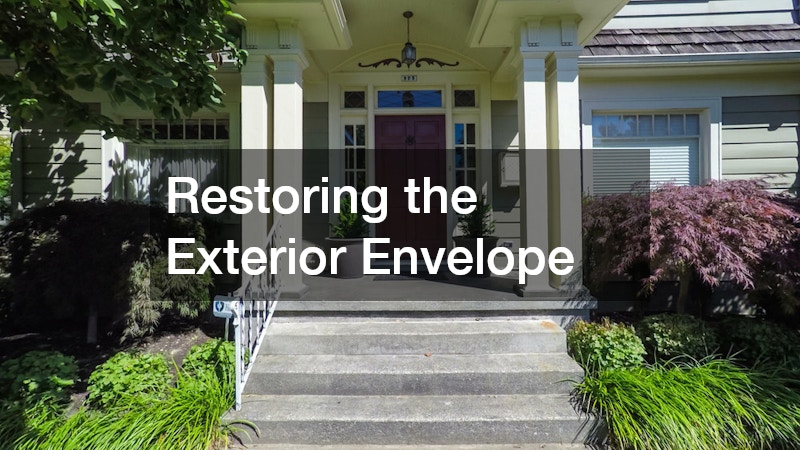
The exterior of your home is the primary indicator of its overall health. If the shell of the building looks dingy or weathered, a buyer will immediately assume that the “invisible” parts of the house—the electrical, the insulation, and the framing—have been similarly ignored. Cleaning the exterior isn’t just about aesthetics; it’s about preservation.
One of the most transformative tools in a homeowner’s arsenal is the use of high-pressure water streams. Over time, vinyl, brick, and stone accumulate a layer of organic growth, including algae, moss, and mildew. This is especially prevalent on the north-facing sides of a building or under heavy tree canopies. Professional Pressure Washing can strip away years of environmental buildup, instantly brightening the home’s color and making it look decade younger. This process should extend beyond the siding to include:
- Driveways and sidewalks where oil stains and tire marks dwell: Over time, concrete absorbs automotive fluids and rubber, creating dark, unsightly blotches. High-powered cleaning lifts these deep-set stains, restoring the crisp, gray appearance of the masonry and signaling that the property is meticulously kept.
- Wooden fences that have turned gray due to UV exposure and moisture: Cedar and pine fencing naturally oxidize when left untreated, but a careful wash can strip away the dead wood fibers. This reveals the warm, natural grain underneath, which can then be sealed to add a high-end, finished look to the yard.
- Pool decks and patios that have become slippery or discolored: Porous stones and pavers often trap moisture, leading to slick patches of moss. Deep cleaning these surfaces ensures they are safe for bare feet while highlighting the intricate patterns and colors of the stone.
While the walls of the house are important, the drainage system is what protects the foundation. Clogged channels can lead to water overflowing and pooling at the base of your home, causing basement leaks or foundation cracks. Hiring a professional gutter cleaner ensures that the entire system is free of debris and that downspouts are discharging water at a safe distance from the structure. This simple act of cleaning prevents the unsightly “tiger striping” on the face of the gutters, which is caused by electrostatic bonding of dirt and water. A clean, functional drainage system is a subtle but powerful signal of a well-maintained home.
Structural Hygiene and Preparatory Upgrades
Once the exterior surfaces are brightened, your focus should shift to the specialized structures that contribute to the home’s character and safety. These areas require more than just a surface wipe; they require technical cleaning that addresses both form and function.
The fireplace is often the focal point of a living room, symbolizing warmth and comfort. However, a soot-stained hearth or a chimney filled with creosote is a major flag. Creosote is highly flammable and its presence suggests a fire hazard. Scheduling a thorough chimney cleaning not only makes the fireplace look more attractive for photos and tours but also provides the necessary documentation to prove the home is safe for occupancy. Buyers love the idea of a wood-burning stove or a traditional fireplace, but they want the peace of mind that comes with a certified clean flue.
Many homeowners jump straight into a massive home remodel when they see dated finishes, but a deep clean often reveals that only minor updates are necessary to achieve a modern look. Before committing to a full-scale renovation, consider the following “deep clean” tasks:
- Deep-cleaning grout lines in the kitchen to see if the tile is worth keeping: Food grease and foot traffic darken grout, making even expensive tile look cheap. Using an alkaline cleaner and a stiff brush can return grout to its original color, potentially saving you thousands by making an older floor look brand new.
- Polishing hardwood floors to restore their original luster: Surface-level scratches and dullness from wax buildup can make wood look tired. A professional-grade polish or a screen-and-recoat process removes the “fog” from the floor, making the natural amber and cherry tones pop under interior lighting.
- Steam cleaning carpets to remove allergens and lingering odors: Vacuuming only touches the surface; deep steam extraction reaches the base of the fibers to remove pet dander and dust mites. This refreshes the pile of the carpet, making it feel softer underfoot and removing any “stale” house smells.
- Wiping down the interior of all cabinetry and closets to ensure a “move-in ready” feel: Buyers will open every door. When they see dust-free shelves and organized interiors, it sends a psychological signal that the house is clean at its very core, encouraging them to imagine their own belongings in the space.
The Psychology of Interior Refreshing

The interior of the home is where emotional connections are made. Buyers want to imagine themselves living in a space that feels fresh, hygienic, and modern. This is where “restorative cleaning” meets minor mechanical updates to create a seamless experience.
The bathroom is arguably the most scrutinized room in any property. Because it is a high-moisture environment, it is prone to mold, mildew, and mineral deposits that can make even a high-end space look cheap. If the damage is beyond a simple scrub, consulting a bathroom remodeling contractor can help you identify high-impact, low-cost “cleaning” upgrades. Sometimes, simply replacing a dated, hard-water-stained glass shower door or swapping out a corroded vanity can do more for your property value than a complete gut-job. The goal is to create a “spa-like” atmosphere where every surface reflects light.
While you are focusing on the visuals, don’t ignore the sounds and smells of the home. Mechanical systems that are in disrepair create a sense of anxiety for buyers. A house that functions silently and efficiently feels more valuable. Consider these plumbing repair and related cleaning and maintenance tips:
- Descaling showerheads and faucets to ensure maximum water pressure: Calcium and magnesium buildup can clog the tiny jets in a showerhead, resulting in a weak, disappointing flow. Soaking these fixtures in a descaling solution restores a powerful, “rainfall” effect that buyers find luxurious.
- Cleaning out the “P-traps” to eliminate any faint odors of sewage or stagnant water: Debris often collects in the U-bend of a pipe, where it can rot and emit subtle, unpleasant smells. Removing and cleaning these traps ensures that the air in the bathroom and kitchen remains crisp and neutral.
- Inspecting the water heater for sediment buildup and flushing the tank if necessary: Over time, “knocking” sounds in the tank indicate that minerals are settling at the bottom, which reduces efficiency. Flushing the tank improves heating speed and longevity, providing a tangible selling point regarding utility costs.
- Ensuring all drains are clear and fast-moving: A slow drain is a red flag for a systemic blockage. Clearing the hair and soap scum from the top of the drain lines ensures that water vanishes instantly, providing a sense of functional reliability during a home inspection.
Cultivating the Outdoor Experience

The backyard is no longer just a patch of grass, but also an extension of the living space. A property with a well-curated outdoor area can command a significantly higher price point than a similar home with a neglected yard.
The foundation of a great yard is the health and appearance of the turf. Consistent lawn services are essential for building a thick, green carpet that feels soft underfoot. A patchy, weed-choked lawn suggests that the homeowner has “given up” on the property, whereas a manicured lawn suggests discipline and care.
Beyond the grass, the overall landscaping serves as the “furniture” of your outdoor rooms. This involves more than just planting flowers; it’s about the architectural cleaning of the garden.
- Pruning overgrown shrubs that may be blocking windows or encroaching on walkways: Vegetation that touches the siding of the house can provide a bridge for insects and trap moisture against the walls. Thinning out the canopy allows light to hit the windows and improves the home’s visibility from the street.
- Replacing old, faded mulch with fresh, dark organic material to make plant colors pop: Mulch eventually breaks down into a dusty gray color that looks unkempt. A fresh layer of dark brown or black mulch creates a high-contrast background that makes the green of the leaves and the colors of the flowers look more vibrant.
- Removing dead limbs from trees that could pose a threat to the roof: A “clean” tree is a safe tree. Removing “widow-makers” and crossing branches not only improves the health of the tree but also reassures buyers that they won’t be dealing with roof damage after the first windstorm.
- Cleaning stone retaining walls and decorative boulders to remove lichen and dirt: Much like the siding of the house, garden stones can become covered in green film. Gently scrubbing these features reveals the natural texture and color variations of the stone, elevating the overall design of the garden.
Effective garden management creates a “curb appeal” that starts the moment a person pulls up to the curb. It frames the house and makes the entire lot feel larger and more usable.
Managing High-Utility Assets

For properties with specialized systems or luxury amenities, the cleaning and maintenance requirements become even more technical. These features are significant value-adders, but only if they are presented in peak condition. If they look neglected, they transform from an asset into a liability in the eyes of a buyer.
A swimming pool is a dream for many, but a green or cloudy pool is a nightmare. To maintain the value of this investment, consistent pool cleaning services are non-negotiable. This involves more than just skimming leaves off the surface. It requires:
- Scrubbing the tile line to remove calcium deposits and “tanning oil” buildup: A white “ring” around the pool makes the water look dirty, even if it is chemically balanced. A thorough scrub with a specialized pumice stone or tile cleaner restores the vibrant blue or teal hues of the waterline.
- Ensuring the filtration system is deep-cleaned and backwashed: A clean filter means the pump doesn’t have to work as hard, which saves electricity and extends the life of the motor. Showing a buyer a clean, well-labeled equipment pad proves that the pool is an asset, not a chore.
- Balancing the chemicals to ensure the water is not just clear, but chemically safe and non-corrosive to the pool’s plumbing: Properly balanced water protects the heater and the plaster from pitting. This technical maintenance ensures the long-term structural integrity of the pool.
- Pressure washing the surrounding deck to ensure there is no slip hazard from algae: Safety is a major concern for families with children. A clean, non-slip deck creates a worry-free environment that allows the buyer to focus on the fun of owning a pool.
Finally, we must address the systems that are literally buried underground. For rural or suburban properties not connected to a municipal sewer, the wastewater treatment system is the most critical infrastructure on the lot. A failing septic system or a clogged treatment plant can lead to catastrophic repair costs and a total loss of sale. Regular inspection and pumping of these systems ensure that the property remains environmentally compliant and odor-free. Buyers will almost always demand a “clear” report on these systems, so proactive cleaning of the tanks and effluent filters is one of the smartest financial moves a homeowner can make.
The journey to increasing your home’s value is paved with soap, water, and diligent attention to detail. While it is tempting to focus on the “new”—new appliances, new paint, or new additions—the true value lies in the “well-kept.” By systematically addressing the exterior envelope, the interior mechanicals, and the specialty outdoor features, you remove the barriers that prevent a buyer from seeing the home’s worth.
A clean home is a transparent home. It tells the world that there are no hidden rot issues, no neglected leaks, and no fire hazards lurking in the shadows. This transparency builds trust, and in the world of real estate, trust is the currency that drives prices upward. When every surface shines and every system hums quietly in the background, you aren’t just selling a house; you are selling a premium, worry-free lifestyle.